Textiles & Home
How to Choose a Libeco Blanket for Year-Round Comfort
A blanket earns its place not only through warmth, but through the way it feels, falls and functions in a room. When considering a Libeco blanket, look beyond the name to the details that shape daily comfort: fiber, weave, weight, size and care. Thoughtful choices make it easier to find a layer that feels inviting in winter, useful in summer and quietly at home wherever you place it.
Begin with the way you will use it
The best blanket is the one that makes sense for your rituals. A layer for the bed has a different job from a throw kept within reach of the sofa. On a bed, it may sit beneath a duvet, add a little warmth at the foot, or serve as the main cover on mild nights. In a living room, it might be drawn around the shoulders during a quiet evening, folded over an armrest, or kept ready for guests.
Before comparing details, picture the blanket in its intended setting. Will it be used every day or brought out occasionally? Does it need to cover one person comfortably, or provide generous shared coverage? Will it spend most of its time folded, layered or casually draped? These simple questions help narrow the choices and prevent a beautiful textile from becoming a lovely object with no clear purpose.
Think, too, about the room itself. A bedroom blanket may need to coordinate with sheets and duvet covers while remaining comfortable against the skin. A living-room throw has more opportunities to encounter pets, snacks and frequent handling. A light cover for warm weather should feel easy to move and store; a winter layer may need more substance. There is no single ideal blanket for every household, only a better match for the way a home is lived in.
Weight: the first clue to comfort
Weight influences both warmth and drape. A lighter blanket is generally easier to fold, carry between rooms and layer over other bedding. It can be an appealing option for warmer climates, heated bedrooms or people who prefer a less substantial covering. A heavier blanket may feel more enveloping and can add a handsome, settled quality to a bed or sofa, but it may be less comfortable when the room is warm.
Weight alone does not tell the whole story. Fiber, construction and weave all affect how a blanket behaves. Two textiles with similar weight can feel quite different: one may be airy and fluid, while another feels compact or textured. If you can handle a sample or examine the blanket in person, notice how it hangs over your arm and how readily it folds. Does it feel pleasantly substantial, or cumbersome? Does it seem breathable, or dense? Those impressions often say more than a number on a specification sheet.
For year-round use, consider whether the blanket is meant to work on its own or as part of a layered bed. A moderate-weight option can be especially versatile when the home’s temperature changes throughout the year. It may provide enough coverage on a cool spring evening and remain easy to fold away when summer nights arrive. In colder months, it can become one layer among several rather than carrying the entire burden of warmth.
Be realistic about your own temperature preferences. Someone who runs warm may value an airy textile that can be adjusted quickly. Someone who enjoys a cocooning bed may prefer a denser feel, even if it is used only in the colder season. Comfort is personal; a label such as “all-season” is a helpful starting point, not a promise that every sleeper will experience the blanket in the same way.
Read the weave as well as the fiber
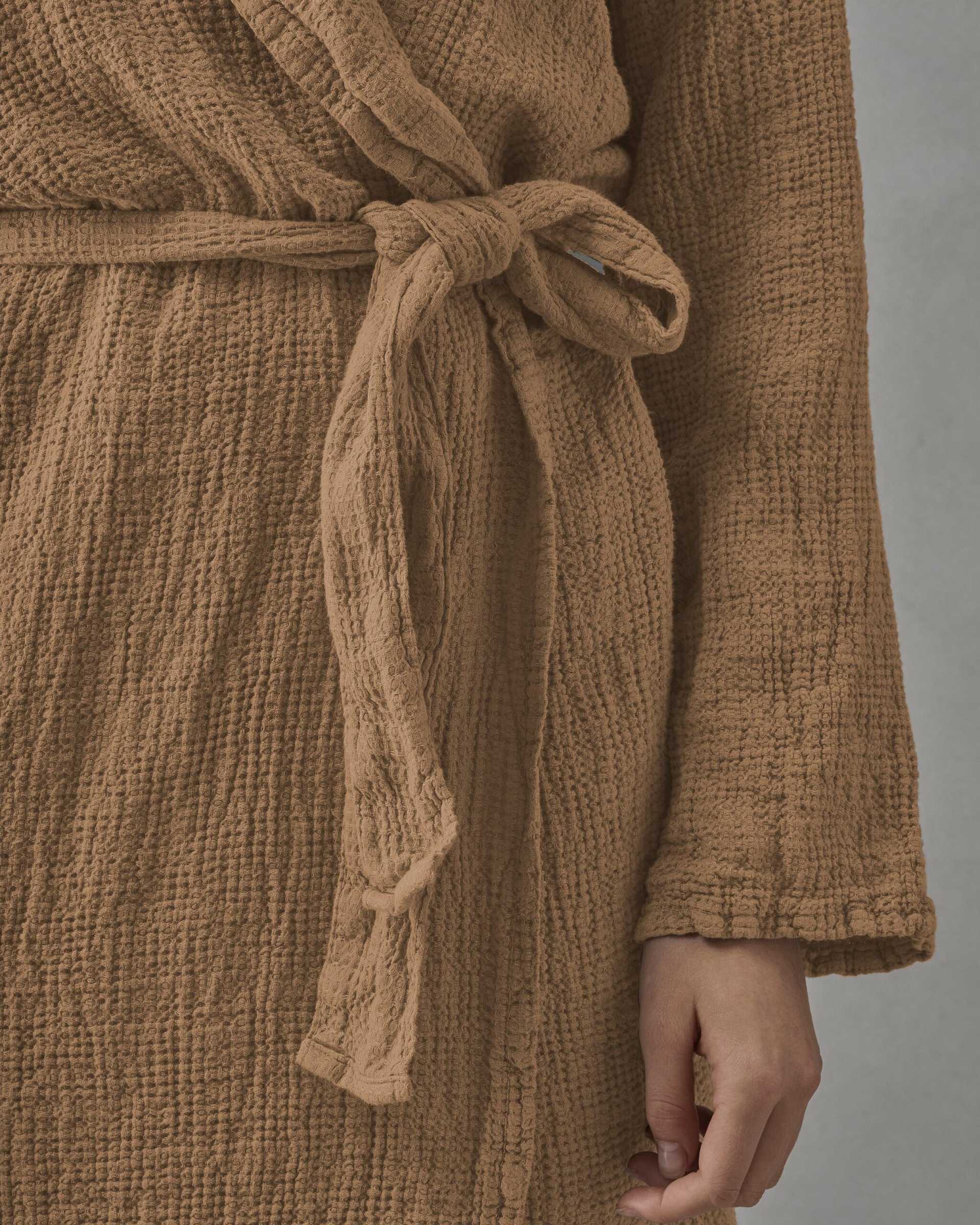
Fiber tells you what a textile is made from; weave helps explain how it feels and performs. A looser construction may allow more air to move through the fabric and create a relaxed, open texture. A closer weave can feel smoother or more compact. Some blankets have a pronounced surface that adds visual depth, while others rely on an understated finish and a fluid drape.
Linen is valued for its natural texture and easy, lived-in appearance. It can bring a room a sense of softness without looking overly polished, and its tactile character often becomes more appealing as the textile is used and cared for. Yet “linen” does not describe every aspect of a blanket. Construction, finishing, thickness and any blended fibers matter. Read the composition carefully, especially if you are seeking a particular feel or need to avoid certain materials.
Look closely at the edges and finishing. Neat hems and secure seams are practical details that help a blanket hold its shape with regular use. Fringed edges, stitched borders or decorative bands can influence the overall mood, but should not distract from the construction. Ask whether the details seem durable enough for the way you intend to handle and wash the textile.
When comparing Libeco blankets, use the product description as a guide to the particular item rather than assuming all blankets from one maker share identical characteristics. Confirm the stated fiber content, dimensions, weight, weave and care instructions for the exact style. If a detail is not listed, seek clarification before making a decision, particularly when the blanket will be used nightly or needs to meet a specific household requirement.
Choose a size that suits the setting
A blanket can feel wrong simply because its dimensions do not fit the job. For a sofa throw, consider whether you want a compact layer for one person or a larger piece that can be shared. A generously sized blanket may look elegant draped across a bed, but it can be awkward to fold and store if the room has limited space. The right dimensions balance coverage with easy handling.
For bedding, compare the blanket’s measurements with the mattress and the way the bed is made. A layer intended to sit across the foot of the bed can be narrower than one used as a full cover. Account for the mattress depth, the desired overhang and any other layers underneath. When in doubt, measure the bed and compare those figures with the listed blanket dimensions rather than relying on a broad size name.
Consider where the blanket will live when it is not in use. A dedicated basket, chest or shelf makes a larger textile more manageable. If storage is limited, a lighter blanket that folds neatly may suit the home better than an oversized piece chosen for appearance alone. Good design should work in ordinary life, not only in the moment it is first arranged.
Make color and texture earn their place
A blanket is an opportunity to introduce a new note into a room without changing the whole scheme. Natural-looking neutrals can blend with existing bedding and furniture, while deeper hues offer contrast. If the room already has patterned sheets, cushions or curtains, a quieter blanket may create a welcome pause. In a restrained space, a more tactile weave can provide interest without relying on a bold color.
Think about how the surface will appear in different light. Daylight can reveal subtle variations in yarn and weave; evening lamps may make a color feel warmer or more muted. If possible, assess the textile in the room where it will be used. A shade that looks pale online can appear more saturated against dark upholstery, while a textured neutral may shift in appearance depending on nearby materials.
Texture is part of the visual effect, but it is also a practical consideration. A relaxed, softly irregular surface may disguise minor signs of everyday use more easily than a perfectly smooth one. A pronounced texture can create a beautiful focal point, yet may require a little more attention when folding or removing lint. Choose an appearance you enjoy seeing and touching, not simply one that suits a photograph.
For a composed bed, repeat one element rather than matching every textile exactly. A blanket can echo the tone of a pillowcase, pick up a color in a rug or introduce a contrasting natural texture. On a sofa, fold it in a way that makes it easy to reach. The most persuasive styling often feels considered but not overworked.
Care is part of the buying decision
Even the most appealing natural-fiber blanket needs care suited to its construction. Before buying, read the label or product-specific instructions. Washing temperature, cycle, detergent, drying method and ironing guidance can differ from one blanket to another. Do not assume that all linen textiles should be treated identically, or that a familiar routine for sheets is appropriate for a heavier woven piece.
Gentle handling is a sensible default when instructions call for home laundering. Avoid overloading the machine, since a blanket needs room to move through the wash. Use a mild detergent where recommended and skip harsh treatments unless the care label explicitly permits them. Excess heat and aggressive agitation may affect the surface, dimensions or finish of some textiles. Follow the manufacturer’s guidance rather than trying to speed up drying with an unsuitable setting.
Drying deserves particular attention. Air drying can be a practical choice when space and weather allow, but the blanket should be supported so its weight does not pull it out of shape. If tumble drying is permitted, use the setting specified on the care label and remove the blanket promptly. Drying requirements vary; use the instructions for the exact item instead of applying a general rule to every blanket.
Address spills promptly by blotting rather than rubbing, which can push a mark deeper into the fibers or disturb the surface. For a stain that does not lift with gentle care, check the manufacturer’s recommendations or consult a textile-care professional. Before using a stain treatment, test it in an inconspicuous area if the instructions allow. A little restraint can help preserve color and texture better than an improvised rescue attempt.
Between washes, regular airing and careful storage can help keep a blanket fresh. Fold it clean and completely dry, and store it somewhere dry with enough room to avoid crushing it under heavy objects. If it will be put away for a season, make sure it is free of food, moisture and other residues that could attract unwanted attention in storage. A breathable storage space is generally preferable to sealing a textile away while it is even slightly damp.
A more mindful way to choose
Natural-fiber blankets appeal to many people for their tactile qualities and enduring style, but environmental claims deserve careful reading. Fiber origin, processing, dyeing, finishing and product life all matter. If a blanket carries a certification or makes a specific sustainability claim, verify what the claim covers and which product it applies to. Do not assume that a natural material, on its own, answers every question about a textile’s impact.
Longevity is also a practical part of mindful consumption. A blanket that suits your climate, fits your home and can be maintained in a way you are comfortable with is more likely to be used for years. Consider whether you already own something that serves the same purpose. If the new piece fills a genuine gap, choose carefully; if it duplicates an item that rarely leaves the closet, pause before adding another.
It can help to make a small checklist before browsing: intended use, preferred warmth, approximate dimensions, acceptable care routine, desired texture and a realistic color palette. This keeps the search focused and makes it easier to compare options on their actual merits. A beautiful name or compelling description can invite a closer look, but the useful details should guide the final decision.
A simple checklist before you decide
- Purpose: Is the blanket for a bed, sofa, guest room or seasonal layer?
- Warmth: Does its weight suit your climate and personal temperature preferences?
- Construction: Are the fiber content, weave and finishing clearly described?
- Dimensions: Will it provide enough coverage without becoming difficult to use or store?
- Care: Are the washing and drying requirements realistic for your household?
- Design: Does its color and texture work with the room beyond a single styling moment?
- Use over time: Is it a piece you can imagine reaching for across changing seasons?
The right blanket, in every season
Choosing a Libeco blanket for year-round comfort is less about finding a mythical one-size-fits-all layer and more about understanding the conditions in which it will be used. A thoughtful balance of weight, weave, dimensions and care can make a blanket flexible enough to move between rooms and seasons. The right choice will feel inviting without being excessive, add texture without demanding attention, and fit naturally into the rhythms of home.
Take time to check the details for the particular blanket you are considering. Let your habits lead: how warm you like to sleep, how often you wash textiles, where you will keep the blanket and whether you prefer a crisp or relaxed surface. When those practical questions meet a color and texture you love, the result is more than an accent. It becomes a useful, familiar layer—one that belongs in the home on cool mornings, open-window afternoons and all the changing weather in between.