Lipe New Robe
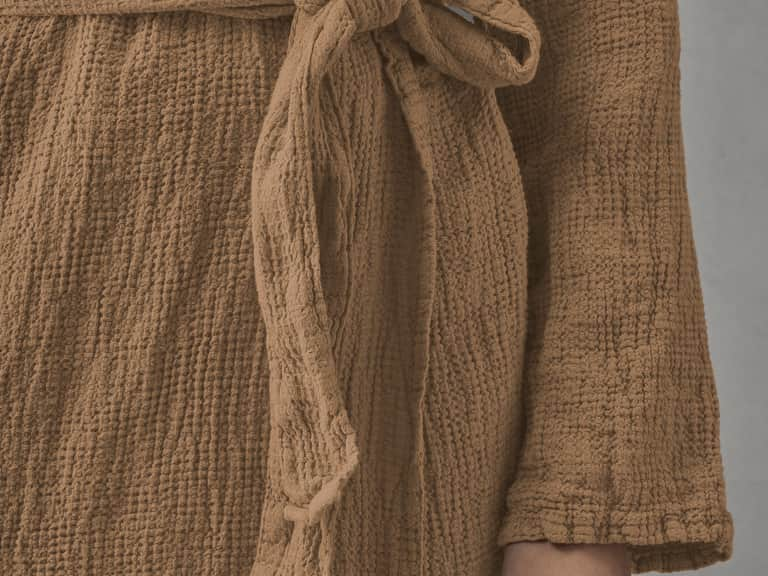
Enjoy a lightweight, durable bathrobe that feels soft and breathable. Hypoallergenic linen dries fast, absorbs well, and stays comfy after any wash—plus a practical shawl collar for perfect relaxed style.
Explore a thoughtful, editor’s-eye comparison of two prominent linen bedding brands—Coyuchi and Naturepedic. This guide delves into origin of flax, weave, finish, and the care rituals that keep sheets and pillowcases at their luminous best. Designed for the stylish reader who values sustainability as much as sensation, the article navigates material science with the poise of a fashion-forward feature in Vogue.
Linen bedding sits at the intersection of engineering and art. It is not merely fabric; it is a performance material that breathes with your body, adjusts to temperature, and ages with elegance. Coyuchi and Naturepedic are two brands that foreground flax in different ways: Coyuchi often celebrates European flax, stone-washed textures, and a softer, more lived-in hand, while Naturepedic leans into organic certification, meticulous sourcing, and a crisp, durable finish. This guide unpacks the core differences, so you can select sheets and pillowcases that align with your climate, care routine, and ethical preferences.
To set the scene: imagine slipping between sheets that feel like a whisper of cool air after a long day, with the confidence of knowing every fiber was sourced with care. That sensory moment—quiet, luxurious, subtly transformative—defines linen bedding at its best. The brands you choose must respect the fabric’s nature: a balance of texture, breathability, and the discipline of responsible production.
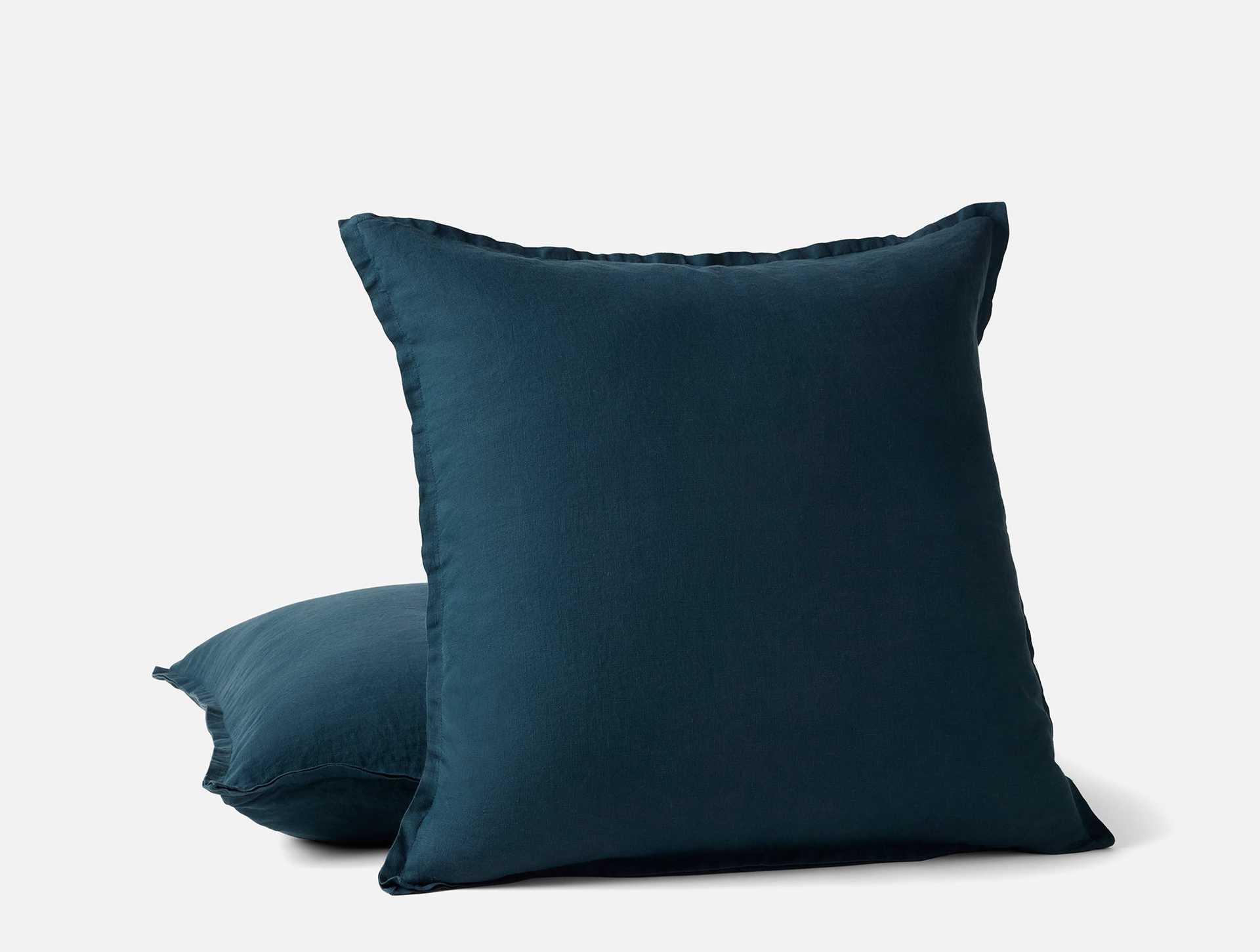
Both Coyuchi and Naturepedic anchor their linen collections in flax grown in Europe, but their storytelling diverges in how they present origin, weaving, and finishing. Coyuchi emphasizes a hand that is “softened with use” through stone washing and garment-washed finishes. This approach yields a lived-in texture that feels more forgiving from the first night, especially in warmer climates where breathability is paramount. Naturepedic foregrounds certification—GOTS (Global Organic Textile Standard)—to assure customers of organic farming, environmentally friendly processing, and social responsibility. Their linen sheets are stone-washed as well, but the narrative is anchored in the peace of mind that comes with organic integrity.
Weave and weight matter for performance. Coyuchi’s linen often presents a mid-weight, airy hand that pairs well with a modern aesthetic—clean lines, minimal texture, and a surface that catches light without glare. Naturepedic’s sheets may emphasize a stable, sturdy surface that maintains shape through many washes while preserving a gentle, fabric-soft feel. Both brands respect the long tradition of flax, yet bring contemporary sensibilities to the textile’s embrace: a fabric that cools in heat, warms in dampness, and ages into something near-couture-sober in its refinement.
Linen’s magic is also its discipline. The right care preserves the fabric’s character—its crispness, its subtle texture, and its remarkable durability. Here are quick-start guidelines drawn from Coyuchi and Naturepedic care sheets and industry best practices that help you maximize the life of your linen bedding:
Linen’s temperature regulation makes it a season-agnostic choice. Coyuchi’s styling often leans toward a quietly luxurious, breathable surface that stays cool in summer and remains comfortable in shoulder seasons. Naturepedic’s emphasis on GOTS certification reinforces a narrative of environmental stewardship—from flax fields to finished sheets. When selecting between the two, consider not only feel and look but also the supply chain’s transparency and the mills’ social accountability. Your bedding is a daily exchange with the earth; the brands you choose should reflect a commitment to people and planet as emphatically as they reflect a commitment to texture.
The following highlights summarize what you should know when comparing Coyuchi and Naturepedic linen sheets and pillowcases.
Whether you crave a crisp, almost editorial finish or a more lived-in, effortlessly elegant texture, the choice reflects your daily rituals, climate realities, and ethical priorities.
Jean-Baptiste Charlemagne, 18th century textile innovator, studied flax processing and helped disseminate linen weaving improvements across European workshops. His work underscored the importance of fiber alignment and loom tension, foundations on which modern linen bedding rests.
Maria Luisa de la Vega championed sustainable, toxin-free textile processing in Spain and Latin America, advocating for organic flax cultivation and natural finishing methods that preserve linen’s innate character.
Aya Nakamura represents the modern artisan-entrepreneur, emphasizing transparent supply chains and fair labor practices within linen mills. Her work mirrors today’s demand for responsible luxury, where textile heritage meets contemporary design.
Choosing between Coyuchi and Naturepedic is less a binary decision than a dialogue with your own habits. If you crave a softly worn-in feel with a fashion-editorial ease, Coyuchi’s approach to stone-washed linen may be your muse. If your priority is organic certification, purity of processing, and a sense of assured responsibility, Naturepedic provides a reassuring narrative that your linen bedding has been treated with the utmost care for the Earth and its people. Whichever you choose, the linen bedding you invite into your space is a declaration of taste, temperature, and time—an invitation to sleep more gracefully, with a gentle nod to sustainability.
This article embraces a practical, editorial voice with a Vogue-like cadence, highlighting the tactile luxury of linen while guiding you toward informed, ethical choices in bedding.