Bedding · Materials · Bedroom Living
What Makes a Bedroom Feel Luxurious? A Look at Gingerlily Duvet Covers
A polished bedroom is not simply a beautiful one. It is a room that feels inviting at the end of the day, works with the rhythms of everyday life and rewards attention to detail. When considering a Gingerlily duvet cover, the real questions are tactile and practical: how does the material feel, how is the cover constructed, and will its care suit your routine?
There is a particular quiet pleasure in slipping into a carefully made bed. The pillows are cool, the cover drapes rather than crackles, and the whole room seems to soften around the edges. Luxury bedding earns its place not through decoration alone but through the daily experience of touch, temperature and ease. A duvet cover sits at the center of that experience: it is the most visible layer on the bed and the one that meets the hands and face night after night.
Gingerlily duvet covers invite a closer look at the choices behind a refined bed. A brand name or an elegant finish can catch the eye, but a considered purchase depends on more than first impressions. Fabric composition, weave, stitching, closures, dimensions and washing instructions all contribute to comfort and longevity. The most luxurious option is not automatically the most elaborate; it is the one whose qualities make sense for the person, the room and the life happening in it.
Because collections and specifications can change, check the current product details before buying. Confirm the exact fiber content, size, included components and care label for the particular cover you are considering. That small pause turns an appealing idea into a more confident decision.
Luxury begins with the hand-feel
In bedding, the phrase “soft” can describe very different sensations. One fabric may feel smooth and cool; another may feel gently textured, airy or substantial. Neither quality is universally superior. The right choice depends on personal preference, the temperature of the room and what feels comfortable against the skin.
Silk is often associated with a fluid, smooth surface and a graceful drape. If you are considering a Gingerlily cover, verify the specific fabric composition and construction rather than relying on a general impression of the brand or category. Silk products can differ in weave, weight and finishing, and those differences affect how a cover feels and falls. Look for clear information about the shell fabric and any lining, trim or other components.
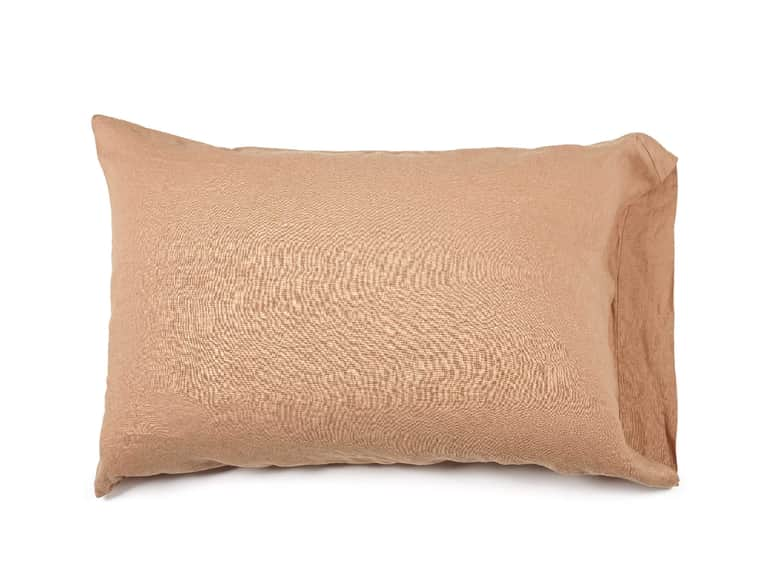
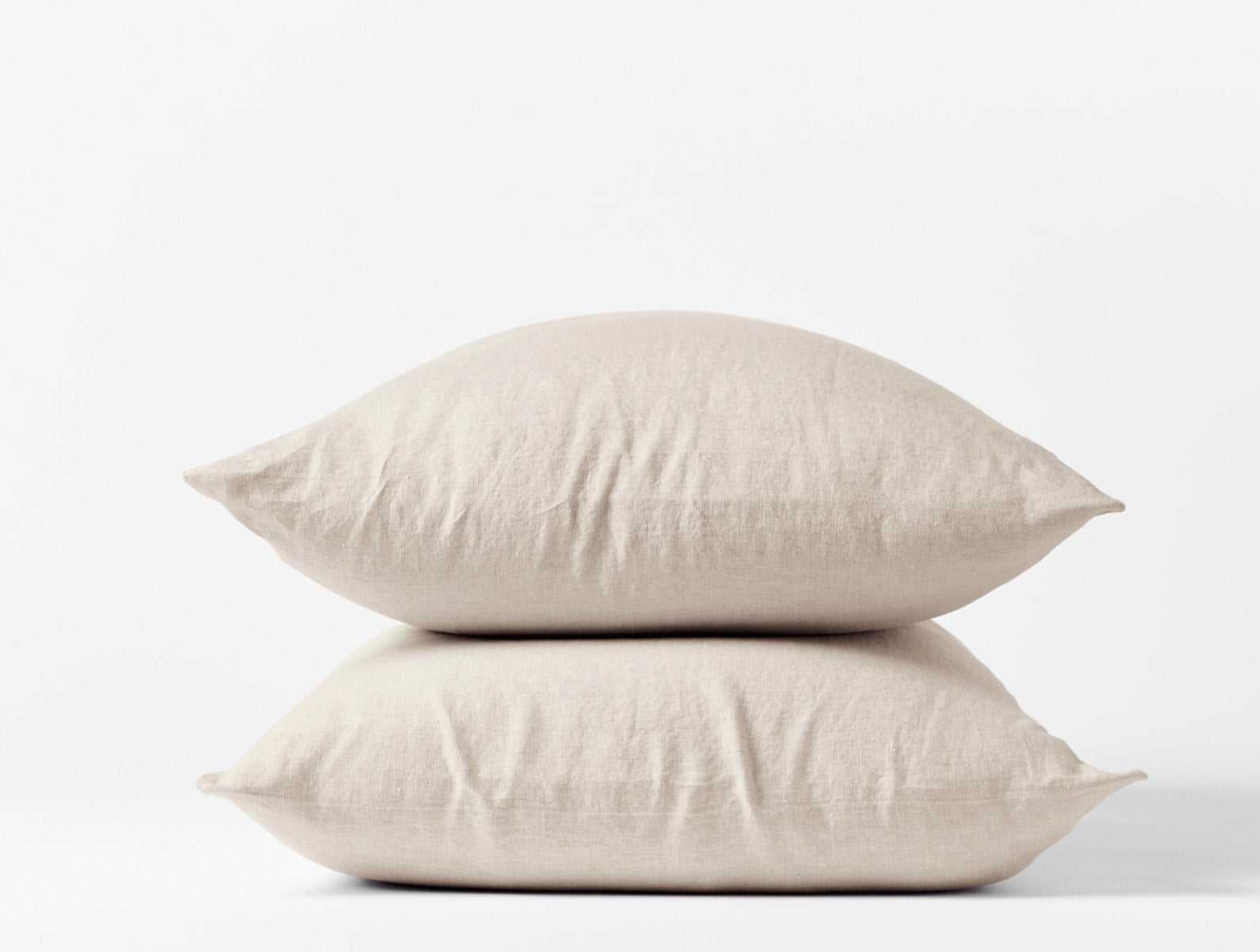
Linen offers a useful contrast. Its characteristic texture is more tactile, with a relaxed, naturally rumpled appearance rather than a glossy finish. It is appreciated for breathability and for a feel that can become softer through use and washing, depending on the fabric and finish. For a linen reference point, Organic Relaxed Linen Pillowcases are described as breathable and temperature-regulating, with a fabric that softens over time. They are pillowcases, not a duvet cover, but they illustrate the appeal of a natural, textured surface in a layered bed.
These materials create different moods. Silk may lend a room a more fluid, polished finish; linen can bring an easy, relaxed character. Cotton and other fibers offer still other combinations of smoothness, structure and upkeep. The best test is not which material sounds most luxurious in the abstract. It is whether you enjoy its feel and are willing to care for it as directed.
Construction is the detail you notice over time
A duvet cover must do more than look beautiful at the foot of the bed. It needs to fit the insert, stay in place and withstand regular changes and laundering. That makes construction essential to both comfort and appearance. Examine seams for even stitching, check the fastening style, and find out whether interior ties or other features are included to help secure the duvet. Details vary by model, so consult the actual specifications rather than assuming one design applies to every cover in a collection.
Fit deserves particular attention. A cover that is too small may compress the duvet and make the bed feel stiff; one that is too generous can allow the insert to shift into empty corners. Measure the duvet itself and compare those dimensions with the listed cover size. Do not rely on labels such as “queen” or “king” alone: sizing conventions differ between manufacturers and regions, and a well-fitting cover depends on measurements, not just a familiar name.
Closures are another small but consequential choice. Buttons can lend a traditional finish, while a concealed fastening may create a cleaner edge. Whichever style you prefer, check that the opening is practical to use and that the care instructions explain how to protect it during washing. Neat finishing around corners and openings can help a cover feel considered without making it visually fussy.
Construction also shapes how a cover hangs. A supple fabric may drape softly around the duvet, while a more structured one creates a crisper silhouette. Neither is inherently more refined. Think about the look you want when the bed is made and how much you enjoy smoothing, layering or allowing the fabric to settle naturally.
A composed room is about proportion, not excess
Luxury in a bedroom often comes from restraint. A well-chosen duvet cover can anchor the room, but it does not need to compete with every other surface. Consider the scale of the bed, the height of the headboard, the color of the walls and the texture of nearby furnishings. A quiet palette can make material and finish more noticeable; a patterned or colored cover may become the room’s defining element.
For a serene scheme, begin with a few related tones: warm ivory, soft beige, muted grey or a deeper earth shade. Then introduce contrast through texture rather than adding multiple competing patterns. Linen pillowcases, a smooth coverlet or a knitted throw can bring dimension while keeping the overall effect calm. A striped accent, such as the Patagonian Stripe Pillow Cover, can add a restrained note of pattern to a bed or sofa. It is a decorative pillow cover, sold separately from its insert, and is made of washed linen; treat it as an accent rather than a substitute for bedding.
Layering is most successful when each piece has a purpose. A duvet cover protects the insert and establishes the main visual field. Sheets affect the immediate feel against the body. Pillowcases bring texture close to the face, while decorative cushions and throws add finish and flexibility. A smaller, carefully edited collection can feel more intentional than a bed crowded with accessories.
It is also worth leaving room for the bedroom to feel lived in. A perfectly pressed surface is not the only expression of care. A softly rumpled cover, a bedside book and a clear path around the bed can create a more welcoming atmosphere than a room arranged solely for display.
Temperature, comfort and the everyday test
How bedding feels at night matters more than how it looks in a product description. Sleep comfort is influenced by the duvet insert, the room temperature, the sleeper’s preferences and the combined layers on the bed. A cover cannot promise a particular sleep experience for everyone, but understanding its material can help you decide whether it is a sensible match.
Some people prefer the smooth feel commonly associated with silk; others gravitate toward the airy, textured character of linen. If you tend to feel warm, pay attention to the fabric’s weight, weave and any care or product information about breathability. If you prefer a more substantial bed, consider how the cover will work with your duvet insert rather than judging the cover in isolation. A light cover over a very warm insert may not deliver the feel you expect, and a heavier combination can be uncomfortable in a warm room.
Touch is personal, so seek out a sample or handle the material in person when that option is available. If shopping remotely, read specifications carefully and understand the retailer’s return policy before purchasing. Pay special attention to fabric descriptions, dimensions, and whether the listing refers to the cover alone or includes additional pieces. Clarity here is part of a good buying experience, not a minor administrative detail.
Bedding care should fit your routine
Luxury need not mean precious, but it does ask for informed care. Before washing a new duvet cover, read the garment label and follow the manufacturer’s instructions. Fiber content and construction can call for different approaches, and a general rule from another bedding set may not apply. If the cover recommends a gentle cycle, a specific water temperature or professional care, treat that guidance as the starting point.
For washable bedding, avoid overloading the machine so fabric can move freely. Use a detergent appropriate to the item and avoid adding treatments unless the care instructions allow them. Excessive heat can affect some fibers and finishes, so check the label before choosing a dryer setting. If line drying is permitted and practical, it can reduce reliance on the dryer; if tumble drying is recommended, use the stated setting and remove the cover promptly to limit deep creasing.
When ironing is allowed, the right temperature and technique depend on the fabric. Some people enjoy a crisp, smooth finish; others prefer a natural drape. Do not assume every material should be pressed, and avoid applying heat without checking the label. For a textured fabric such as linen, a slightly relaxed appearance is part of its character rather than evidence that the bed has been neglected.
Between washes, give the bed a little air and keep the room ventilated where possible. Rotate bedding so one set does not bear all the wear, and store clean covers fully dry in a cool, dry place. Thoughtful maintenance preserves the fabric while making the weekly routine more manageable. The most beautiful cover is the one you can comfortably care for, not one that remains folded away for fear of using it.
A thoughtful approach to buying well
When comparing luxury bedding, a higher price is not itself proof of better comfort or durability. Ask what the price reflects: fiber quality, fabric construction, finishing, manufacturing details or a particular design. Look for precise information rather than broad promises. If a product refers to a certification, verify what that certification covers and whether it applies to the specific material or item in question.
Origin information can add useful context, especially when it explains where fibers were grown, where fabric was woven and where the finished product was made. These are distinct stages of a supply chain and should not be treated as interchangeable. Clear sourcing details help you understand a product more fully, though they do not replace practical checks on fit, care and construction.
Durability is also a matter of use. A cover that suits your routine, can be washed appropriately and feels good enough to use regularly may provide better long-term value than a more demanding option that does not fit your household. Think about who uses the bed, how often the bedding is changed, whether children or pets share the room, and how much time you want to spend on laundry and finishing.
Mindful buying need not mean choosing the least expensive option or avoiding beauty. It means looking for a piece that earns its place, understanding its care requirements and using it for years where possible. A simple design that coordinates with existing sheets and pillowcases can be more versatile than a highly specific look that requires an entirely new bedroom scheme.
A practical checklist before choosing a Gingerlily duvet cover
- Confirm the composition: Check the exact fiber content and any additional materials or finishes listed for the model.
- Compare dimensions: Measure your duvet insert and match it to the cover’s stated measurements.
- Review the construction: Check seams, closure type and whether interior ties or other securing details are specified.
- Read the care label: Make sure the recommended washing, drying and ironing steps fit your household routine.
- Consider the hand-feel: Decide whether you prefer a smooth, fluid surface, a relaxed texture or another fabric character.
- Plan the palette: Think about how the cover will work with your sheets, pillowcases, walls and existing furniture.
- Check what is included: Confirm whether the listing is for a duvet cover alone or includes any additional bedding pieces.
The final measure of a luxurious bed
A bedroom feels luxurious when beauty and use meet without friction. The bed looks composed, but it is also comfortable to climb into, easy enough to maintain and suited to the person sleeping beneath the covers. A Gingerlily duvet cover may appeal through its style or material, yet the meaningful decision lies in the details of the specific item: its fabric, finish, fit, construction and care.
Choose by touch as much as by image. Measure before ordering. Read the care instructions. Let color and texture relate to the rest of the room rather than asking every piece to make a statement. Above all, remember that refinement is not synonymous with fuss. Sometimes the most luxurious bedroom is simply one where the fabric feels right, the layers work together and the bed invites you to stay a little longer.